Top 15 Digital Marketing Interview Questions and Answers for Beginners
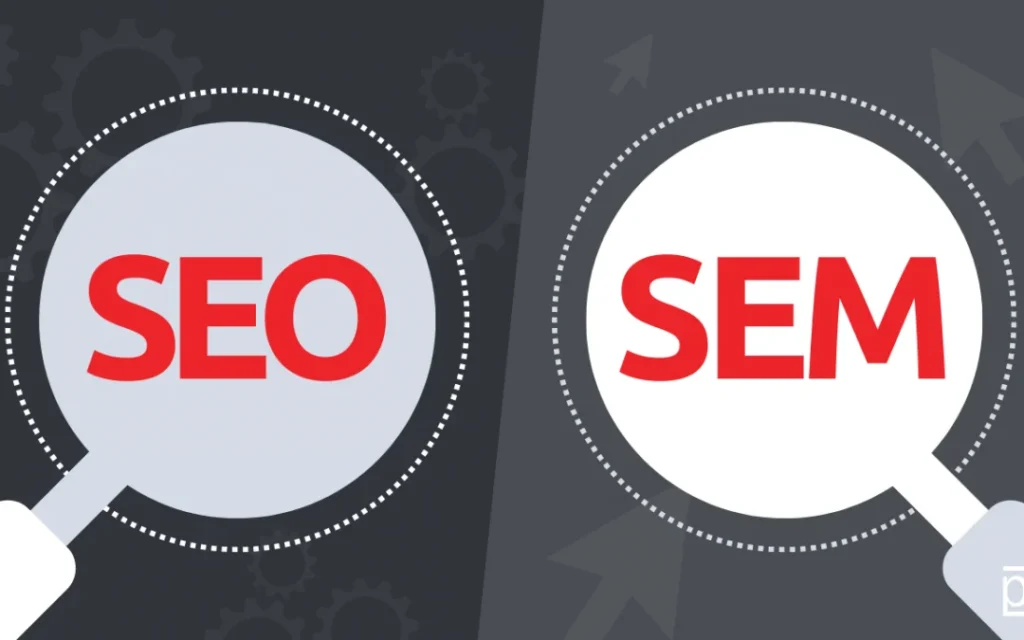
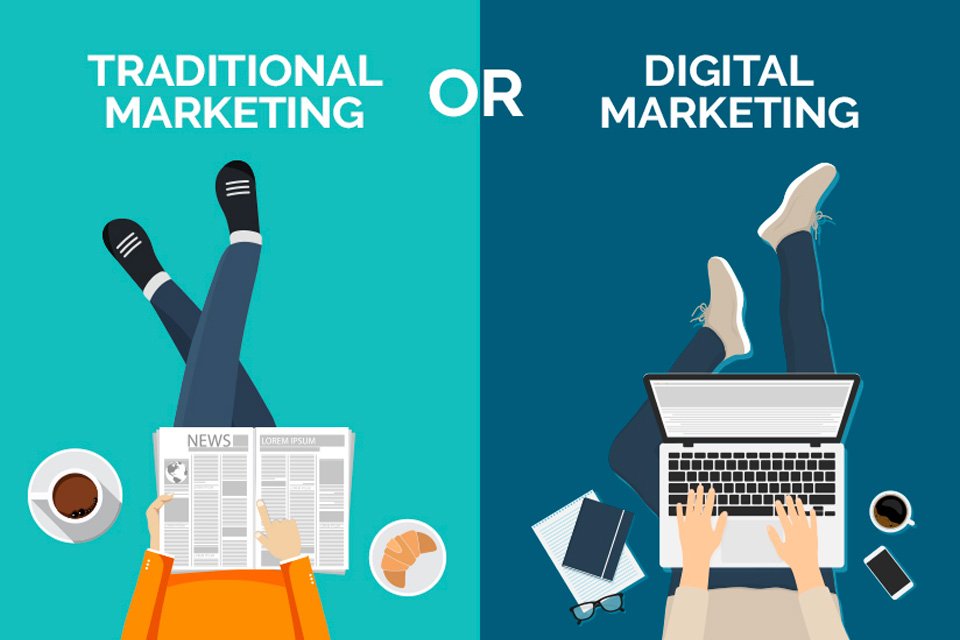
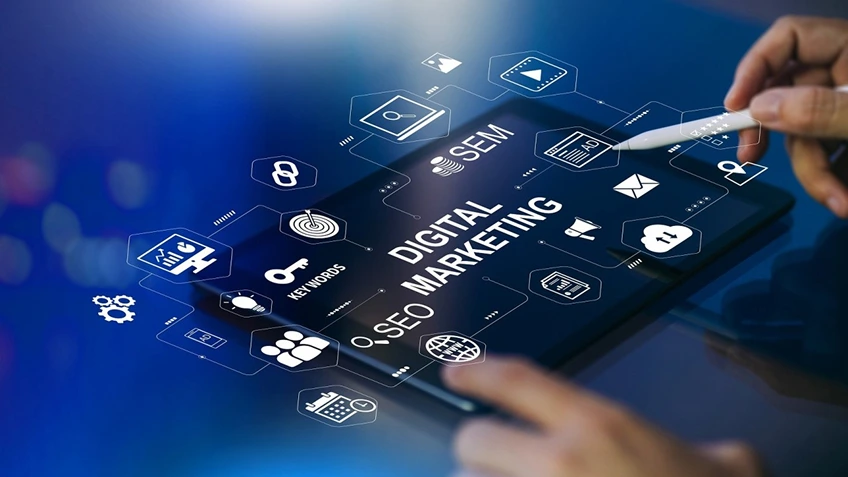
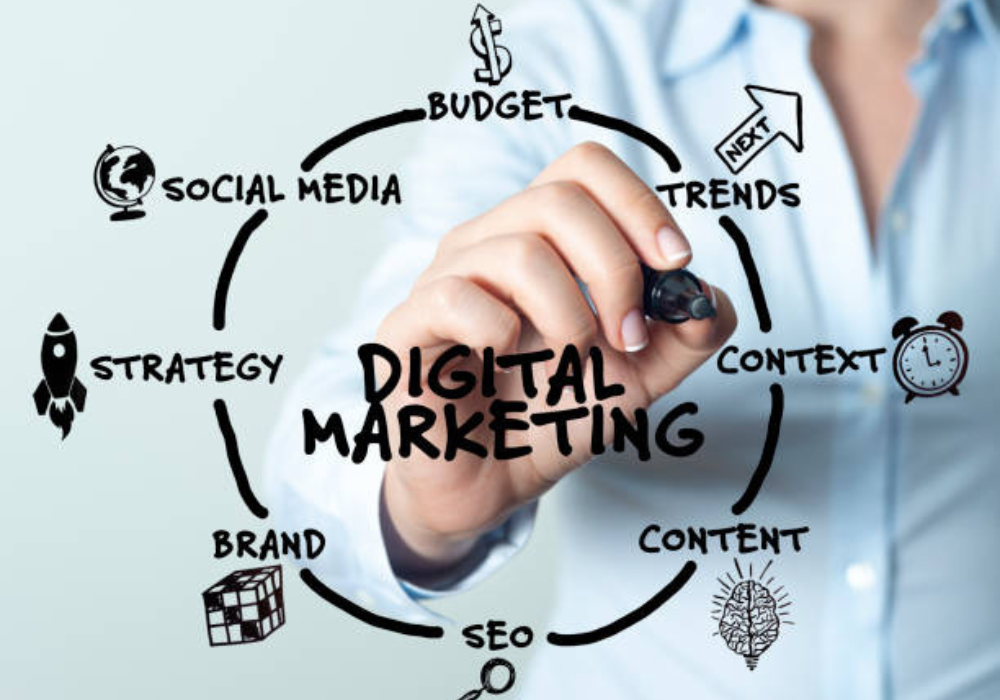
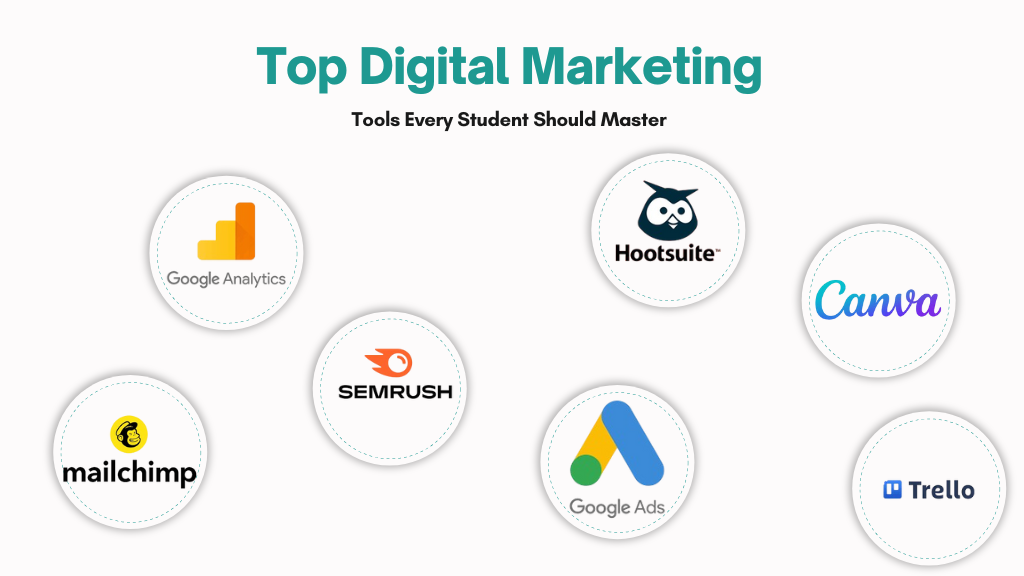
Preparing for your first digital marketing job interview can feel challenging, especially if you have no professional experience. Interviewers usually want to understand your knowledge of digital marketing, familiarity with online platforms, communication skills, and willingness to learn. The good news is that you can prepare for common questions and improve your confidence before the interview. In this guide, we cover the top digital marketing interview questions and answers for beginners to help you prepare for an entry-level digital marketing role. Top Digital Marketing Interview Questions for Bigginers 1. What Is Digital Marketing? Answer: Digital marketing is the process of promoting products, services, or brands through online channels such as search engines, social media, websites, email, and digital advertisements. Its primary goal is to reach the right audience, increase brand awareness, generate leads, and drive sales. 2. What Are the Main Types of Digital Marketing? Answer: The main types of digital marketing include: Search Engine Optimization (SEO): Improving website visibility in organic search results. Social Media Marketing (SMM): Promoting brands on platforms such as Instagram, Facebook, and LinkedIn. Pay-Per-Click Advertising (PPC): Running paid advertisements on platforms such as Google Ads. Content Marketing: Creating blogs, videos, and other valuable content. Email Marketing: Sending promotional messages and updates to subscribers. Affiliate Marketing: Promoting products through partners who earn commissions. Influencer Marketing: Collaborating with content creators to reach their audiences. 3. What Is SEO, and Why Is It Important? Answer: SEO stands for Search Engine Optimization. It involves optimizing a website to improve its visibility in unpaid search engine results. SEO is important because it can attract relevant website visitors, build credibility, and generate long-term organic traffic. The three main areas are on-page SEO, off-page SEO, and technical SEO. 4. What Is the Difference Between SEO and SEM? Answer: SEO focuses on improving organic search visibility, while SEM is commonly used to describe search engine marketing that includes paid search advertising and, in some contexts, broader search marketing activities. SEO generally takes time to produce results, whereas paid search campaigns can start generating traffic soon after launch. 5. What Is Keyword Research? Answer: Keyword research is the process of identifying the words and phrases people use when searching online. Digital marketers use keyword research to understand search intent and create relevant website content. Tools such as Google Keyword Planner, Google Trends, and other SEO research tools can help identify keyword ideas. 6. What Is Social Media Marketing? Answer: Social media marketing involves using social platforms to promote a business, engage with customers, and increase brand awareness. A social media marketer may create posts, publish reels, respond to comments, plan content calendars, and analyze engagement metrics. 7. What Is the Difference Between Organic and Paid Marketing? Answer: Organic marketing attracts an audience through unpaid activities such as SEO, regular social media posts, and content marketing. Paid marketing uses advertising budgets to promote content, products, or services. Both methods can work together to improve visibility and support business growth. 8. What Is Google Ads? Answer: Google Ads is an online advertising platform that allows businesses to display ads across eligible Google properties and partner placements. Marketers use it to reach potential customers through search ads, display ads, video campaigns, and other campaign types. 9. What Is Google Analytics 4 (GA4)? Answer: Google Analytics 4 is an analytics platform that helps businesses understand how users interact with their websites and apps. It provides insights into traffic sources, user behavior, engagement, and conversions, helping marketers evaluate campaign performance. 10. What Are Digital Marketing KPIs? Answer: Key Performance Indicators (KPIs) are measurable values used to evaluate marketing performance. Common digital marketing KPIs include website traffic, click-through rate (CTR), conversion rate, cost per lead, customer acquisition cost, and return on ad spend (ROAS). 11. What Is a Conversion Rate? Answer: Conversion rate is the percentage of visitors who complete a desired action, such as purchasing a product, filling out a form, or subscribing to a newsletter. It is calculated by dividing the number of conversions by the number of relevant visitors or sessions, then multiplying by 100. 12. How Would You Increase Website Traffic? Answer: I would begin by understanding the target audience and researching relevant keywords. Then, I would improve website SEO, publish useful content, promote it through social media, and explore paid advertising if the budget allows. I would also monitor analytics to identify which channels bring the most relevant visitors. 13. Which Digital Marketing Tools Do You Know? Answer: Some commonly used digital marketing tools include Google Analytics 4, Google Search Console, Google Keyword Planner, Google Ads, Canva, Meta Business Suite, and email marketing platforms. As a beginner, I would focus on understanding the basic functions of these tools and practicing with available learning resources. 14. Why Should We Hire You as a Digital Marketing Fresher? Answer: Although I am at the beginning of my career, I have a strong interest in digital marketing and am eager to learn. I understand the basics of SEO, social media marketing, content marketing, and analytics. I am willing to take feedback, learn new tools, and contribute to the team. I believe my enthusiasm, adaptability, and commitment to learning will help me grow in this role. 15. How Do You Stay Updated With Digital Marketing Trends? Answer: I follow official resources such as Google Search Central, Google Analytics documentation, and updates from major advertising platforms. I also read industry blogs, watch educational tutorials, and practice new techniques through small projects. Conclusion Preparing for digital marketing interview questions and answers is an important step toward starting your career. Focus on understanding the fundamentals of SEO, social media marketing, PPC, content marketing, and analytics rather than memorizing every answer. Practice explaining concepts in your own words and support your answers with examples whenever possible. You can also create a small portfolio, such as an SEO audit, a sample social media calendar, or a mock advertising campaign, to demonstrate your practical skills. With consistent preparation and a willingness to learn, you can