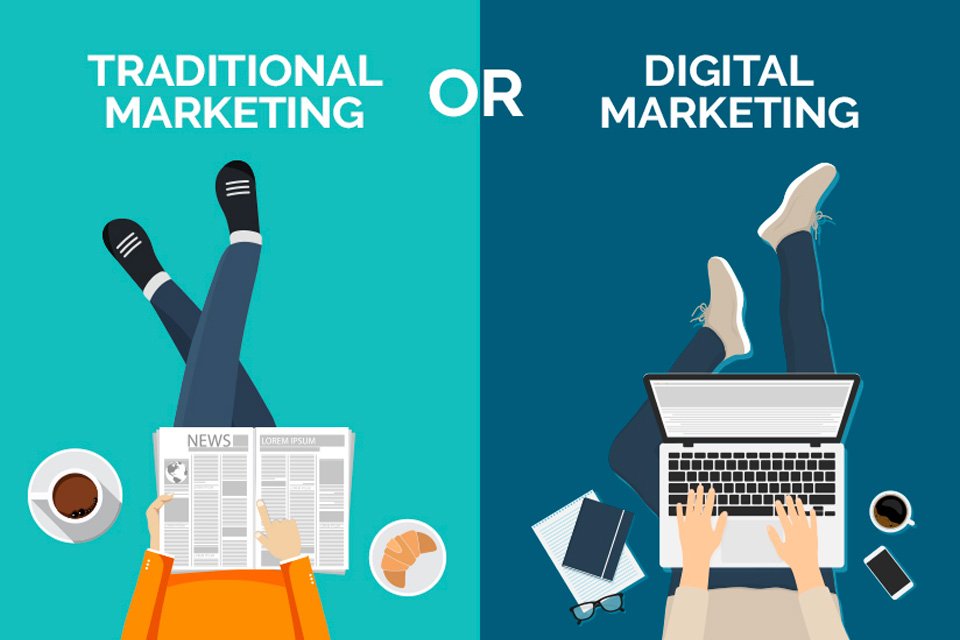
Marketing is an essential part of almost every business, and it offers several career opportunities for people with different interests and skills. Two major areas are digital marketing and traditional marketing. While traditional marketing uses channels such as television, newspapers, radio, magazines, and outdoor advertising, digital marketing focuses on online platforms such as search engines, social media, websites, email, and digital advertising.
If you are considering a career in marketing, understanding the difference between digital marketing vs traditional marketing can help you choose a learning path that matches your interests and career goals.
What Is Digital Marketing?
Digital marketing involves promoting products, services, and brands through online channels. Businesses use digital platforms to reach potential customers, communicate with audiences, generate leads, and drive sales.
Common areas of digital marketing include:
- Search Engine Optimization (SEO)
- Social Media Marketing
- Google Ads and PPC
- Content Marketing
- Email Marketing
- Influencer Marketing
- Affiliate Marketing
- Online Reputation Management
- Analytics and Conversion Optimization
Digital marketing professionals often work with tools such as Google Analytics, Google Search Console, advertising platforms, content management systems, and social media management tools.
What Is Traditional Marketing?
Traditional marketing refers to marketing activities that use established offline channels to communicate with an audience. It includes television advertisements, radio, newspapers, magazines, billboards, brochures, direct mail, events, and other offline promotional methods.
Traditional marketing roles can involve campaign planning, market research, media planning, advertising coordination, public relations, brand management, event marketing, and sales support.
These activities require an understanding of customer behavior, branding, communication, market positioning, and campaign planning.
Digital Marketing vs Traditional Marketing: Key Difference
The primary difference is the medium through which businesses communicate with their audiences.
Digital marketing uses internet-based channels, while traditional marketing primarily uses offline media. However, modern businesses often use a combination of both approaches as part of their overall marketing strategy.
For example, a company may advertise through billboards while simultaneously running Google Ads, social media campaigns, and email marketing.
Which Career Offers More Specialization?
Digital marketing has many specialized career paths. Professionals can focus on SEO, paid advertising, social media, content marketing, email marketing, analytics, or other areas.
Traditional marketing also provides several career paths, including brand management, advertising, media planning, public relations, market research, and event marketing.
Your preferred specialization can depend on whether you enjoy working with digital platforms and data or prefer broader brand, media, and offline campaign activities.
Which Career Is More Suitable for Creative People?
Both careers require creativity, but the nature of creative work can differ.
Traditional marketing may involve developing advertising concepts, campaign themes, television or print advertisements, outdoor campaigns, and brand communication.
Digital marketing can involve creating social media campaigns, video content, website content, ad creatives, email campaigns, and interactive experiences.
If you enjoy writing, visual content, storytelling, campaign concepts, or communication, both fields can provide opportunities to use those skills.
Career Growth and Skills
A successful marketing career depends on practical skills, communication, creativity, analytical thinking, and the ability to understand customer behavior.
Digital marketing professionals can progress into roles such as Digital Marketing Executive, SEO Specialist, PPC Specialist, Social Media Manager, Content Strategist, Digital Marketing Manager, or Marketing Strategist.
Traditional marketing professionals can pursue roles such as Marketing Executive, Brand Executive, Media Planner, Advertising Manager, Public Relations Specialist, or Brand Manager.
Professionals can also combine skills from both areas and develop into broader marketing roles.
How Should Beginners Choose?
Instead of choosing a career solely based on which field sounds more popular, consider the type of work you enjoy.
Digital marketing may be a suitable learning path if you enjoy websites, search engines, social media, online advertising, content creation, analytics, and digital tools.
Traditional marketing may appeal to you if you are interested in advertising campaigns, branding, media, events, public relations, market research, and offline customer communication.
Another practical option is to learn the fundamentals of both fields before specializing. This can help you understand how different marketing channels work together.
Final Thoughts
The comparison between digital marketing vs traditional marketing is not simply about choosing one field over another. Both contribute to how businesses build brands, reach customers, and achieve marketing objectives.
Your career decision should depend on your interests, strengths, preferred work environment, and the skills you want to develop. Whichever path you choose, gaining practical experience through internships, projects, certifications, or real campaigns can help you build a strong marketing career.
Marketing continues to evolve, so professionals who remain curious, understand their audience, develop practical skills, and keep learning can create opportunities across different areas of the industry.